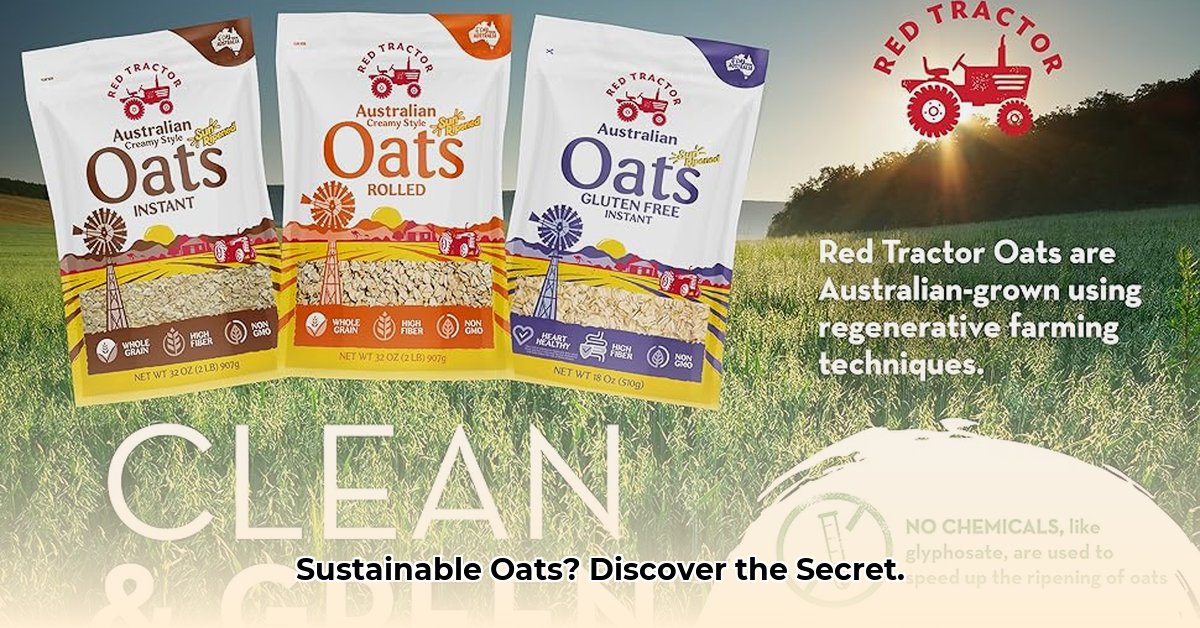
Let's explore the world of Red Tractor Instant Oats and their commitment to sustainable farming practices. This isn't just about a convenient breakfast; it's about a holistic approach to food production that minimizes environmental impact and fosters a healthier planet. We'll delve into the details, examining their farming methods, processing techniques, and packaging choices, highlighting how conscious consumer choices can promote a more sustainable food system. For more visual information, check out these Red Tractor images.
From Seed to Spoon: Sustainable Oat Farming with Red Tractor
The journey of Red Tractor Instant Oats begins long before they reach your kitchen. It starts in the fields, where sustainable practices are paramount. This isn't simply about growing oats; it's about nurturing the land and minimizing environmental impact. We're talking about responsible resource management, innovative farming techniques, and a commitment to soil health. How do they achieve this? Let's examine the key elements.
Water Wise: Efficient Irrigation and Drought-Resistant Crops
Water is a precious resource. Red Tractor certified farms likely employ advanced irrigation techniques, such as drip irrigation (a method that delivers water directly to plant roots) or soil moisture sensors (technology that monitors soil moisture levels to optimize watering schedules), to minimize water waste and maximize efficiency. Furthermore, they select oat varieties known for their drought resistance, reducing the need for supplemental irrigation. This careful approach contributes significantly to water conservation efforts, a crucial aspect of sustainable agriculture. Don't you agree that responsible water management is essential for a sustainable future?
Soil Health: The Foundation of Sustainable Agriculture
Healthy soil is the cornerstone of sustainable farming, and Red Tractor's commitment to soil health is evident in their practices. They often utilize no-till farming (a method that avoids plowing, preserving soil structure and reducing erosion), cover cropping (planting crops between main harvests to protect and enrich the soil), and crop rotation (alternating crops to improve soil fertility and reduce pest pressure). These methods improve soil structure, increase water retention, enhance nutrient cycling, and promote biodiversity—all contributing to a healthier, more resilient ecosystem. This dedication to soil health is not merely beneficial for oat production; it directly contributes to combating climate change through carbon sequestration (the process where soil absorbs and stores carbon dioxide).
Pest and Weed Management: Integrated Approaches
Traditional pest and weed control often involves heavy reliance on chemical pesticides, which can harm the environment and human health. Red Tractor's commitment to sustainable agriculture involves employing Integrated Pest Management (IPM) (a strategy that prioritizes prevention and minimizes pesticide use). IPM often incorporates biological control (using natural predators to control pests), resistant crop varieties, and other sustainable methods, significantly reducing the need for harmful chemicals. This holistic approach protects both the environment and human health, demonstrating a strong commitment to responsible farming practices. Wouldn't you agree that this integrated approach presents a healthier and more sustainable alternative?
Biodiversity: Fostering a Thriving Ecosystem
Monoculture (planting a single crop repeatedly) depletes soil nutrients and reduces biodiversity. Sustainable farms, like those certified by Red Tractor, often incorporate practices designed to enhance biodiversity. This might include planting hedgerows (rows of shrubs or trees serving as wildlife habitats), wildflower strips (creating diverse habitats to attract beneficial insects and pollinators), or other measures encouraging a balanced ecosystem. This approach benefits not only the oats but the entire environment, demonstrating a commitment to broader ecological health.
From Field to Bowl: Processing and Packaging
The journey of Red Tractor Instant Oats extends beyond the farm. Sustainable practices are maintained throughout the processing and packaging stages.
Energy Efficiency in Processing: Reducing the Carbon Footprint
Processing plants often consume substantial energy. Red Tractor likely prioritizes energy-efficient technologies in their processing plants, which minimizes energy consumption and reduces their carbon footprint. This commitment to energy efficiency underscores their dedication to sustainable practices at every stage of production.
Sustainable Packaging: Minimizing Waste and Promoting Recyclability
Packaging is another area where Red Tractor demonstrates its commitment to sustainability. They prioritize recyclable or compostable packaging materials, which minimizes waste and reduces the environmental impact of their products. By choosing sustainable packaging options, Red Tractor empowers consumers to participate in reducing waste and promoting a circular economy. The use of recycled and sustainably sourced materials further signifies their commitment to environmental responsibility.
The Consumer's Role in Sustainable Agriculture
Consumers play a crucial role in shaping the future of sustainable agriculture. By choosing brands committed to sustainable practices, like Red Tractor Instant Oats, you directly support farmers who prioritize environmental protection and ethical production methods.
- Choose Sustainable Brands: Look for certifications (like Red Tractor) that verify sustainable practices.
- Reduce Food Waste: Plan your meals carefully and avoid unnecessary food waste. This reduces the environmental impact of food production.
- Support Local Farmers (when feasible): By buying from local farmers, you can reduce the transportation emissions associated with your food.
- Advocate for Change: Encourage your friends, family, and policymakers to support sustainable agriculture.
Red Tractor Instant Oats represents more than just a breakfast choice. It's an affirmation of a commitment to a healthier planet through sustainable farming practices. By making informed choices, we can all contribute to creating a sustainable food future.